Social Networking Landscape
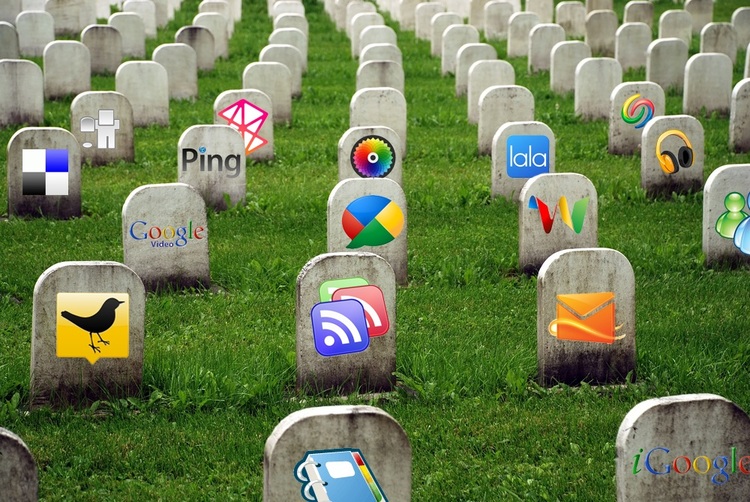
Do you have a Facebook account? Me too. When I opened my account in 2007, I used it to connect with my peers. However, over the past decade, my parents, aunts, and uncles have started using Facebook. Even my 93-year-old grandmother has an account. As Facebook has established itself as the leader of social networking apps (particularly in the Western Hemisphere), a number of competitors have come and gone. Some have been forced to redirect their focus, like Myspace. Some have disappeared altogether, such as Friendster. One such unlucky app you’ve probably never even heard of – Orkut.
Enter “Orkut”

In a brilliant display of creativity, creator Orkut Buyukkokten, named “Orkut” after himself. (Imagine if Facebook was called “Mark.” ) The site came to be in 2004 as a way to connect users of different communities. It appeared that most people were interested in finding friends and classmates, or joining groups related to where they lived or worked. While Buyukkokten created the site, it was owned and operated by Google; the name gained a lot of trust from the users of Orkut. Its invite-only exclusivity also contributed to people’s desire for membership. Interestingly, Orkut flourished in the Brazilian Market, with 90% of page views being accessed by Brazilian users.
What Went Wrong
The cultural environment in Brazil requires brands to incorporate a number of elements into their online marketing: blogs, social gaming, and online videos. Orkut began to encounter issues with some of those elements, which diminished the functionality of the otherwise clean and simple interface.
When Orkut stopped meeting the needs of the culture and audiences, they lost their customers and were eventually replaced by other culturally appropriate cross-platform social media endeavors.
L. Meghan Mahoney and Tang Tang – Strategic Social Media
While Orkut’s failure to keep up with the needs of their users is what ultimately doomed them, Facebook’s overwhelming presence in the social networking space cannot be overlooked. Orkut is not Google’s only failed social networking endeavor; Google+ was officially killed last year.
Hello “Hello”

If at first you don’t succeed, try, try again, right? That’s what Orkut Buyukkokten thought, anyway. His second attempt at a community-centric social network – “Hello” – was launched in India in 2018, and has yet to really catch on anywhere. The communities themselves have not really been built out, so there is not much incentive to join. The process of signing up is not extremely straightforward, which may be a deterrent for some people. Ultimately, “Hello” doesn’t offer anything that you can’t already get with other social networking sites. Let’s see how long it takes before we’re saying “Goodbye”…

 The Introverted Insomniac
Hello, Christine! What a great post about the life cycle of Orkut-Your introduction was on I related to, and I will tell my mom (who is 65 years old and will not cross over to joining Facebook) that it’s a great way to keep in touch with family and her grand kids! I love that so many age groups use social media-I sat here and thought about how many milestones I would miss for family out of state if it were not for people posting to social media sites. Which brought us to the intended content of the blog-Orkut: The way you used Facebook as a way to compare and contrast the two platforms helped create a better picture of Orkut’s strong idea for a platform (what worked). Also, it was a great how you showed what Facebook was able to continue to innovate and keep users interested (which is where Orkut fell short) and thus, succeeded…. and Orkut closed down. This was a great post! Thank you!
LikeLike